WHAT IS THAI MASSAGE?
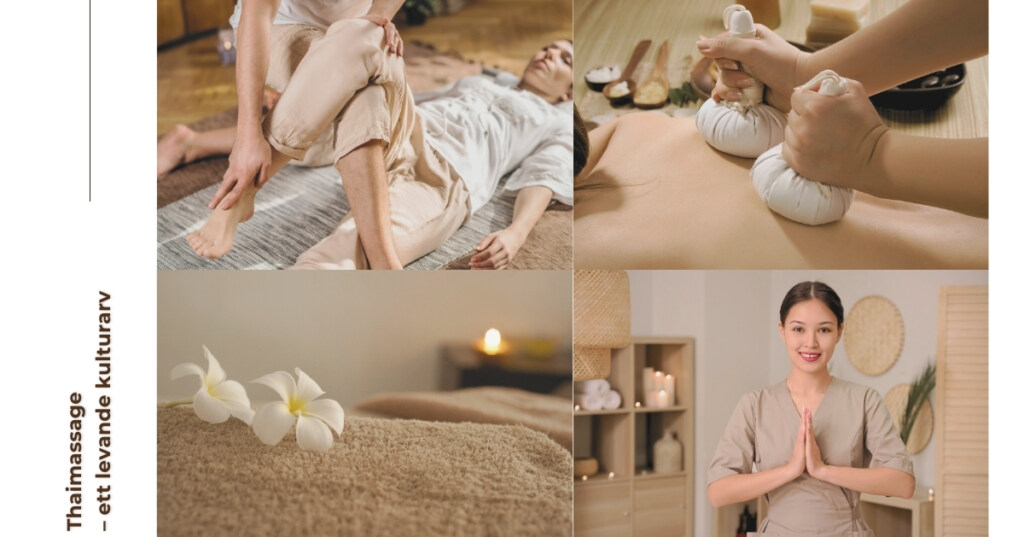
Thai massage is a professional therapeutic practice rooted in Thailand’s traditional medicine, culture, and professional ethics. It is based on knowledge that has been passed down through generations and is used for treatment, rehabilitation, health promotion, and relaxation.
Thai massage has no connection to sexual services in any form.
WHAT THAI MASSAGE IS NOT
Businesses or establishments that use the term “Thai massage” as a cover for sexual or other illegal services are not Thai massage.
Such practices distort both the profession and the culture, and cause harm to serious practitioners, consumers, and public trust in society as a whole.
LINGUISTIC, CULTURAL AND INTERNATIONAL CONTEXT
In the Thai language, there are clear terms used to describe activities that are not genuine Thai massage. A commonly used word is “แอบแฝง” (aep-faeng), which means a hidden or disguised activity.
Thai massage is officially recognised as intangible cultural heritage and is listed on UNESCO’s Representative List of the Intangible Cultural Heritage of Humanity, confirming its cultural value and the long-standing transmission of its knowledge and practice.
To support clear communication in Sweden, the term “fake Thai massage” is sometimes used as an explanatory expression to indicate that certain businesses are not Thai massage, but only use the name “Thai massage” as a façade.
USE OF TERMINOLOGY IN MEDIA AND PUBLIC COMMUNICATION
When the term “Thai massage” is used as a cover for other activities, this must be stated clearly and placed in an explanatory context, in order to make clear that it does not refer to genuine Thai massage.
The use of the term “Thai massage” should therefore serve to explain and distinguish responsibly — not to generalise or create misunderstandings about the profession and its cultural heritage.
WHY CLEAR TERMINOLOGY IS IMPORTANT IN SWEDEN
When the term “Thai massage” is used without distinguishing between what is genuine and what is incorrectly labelled, serious consequences arise, including:
Legitimate Thai massage professionals are unfairly generalised and suspected without valid grounds.
Consumers become uncertain and do not know whom they can trust.
Authorities and welfare systems lack clear reference points for correct assessment and decision-making.
Thai culture is distorted and harmed, both in Sweden and internationally.
This is not merely a linguistic issue — it is a matter of fairness, dignity and respect.
KEY POINTS OF THE STATEMENT
Clearly distinguishing between authentic Thai massage and activities that use the term “Thai massage” incorrectly is necessary in order to protect:
professional ethics and professionalism
consumer safety and trust
Thai culture and identity
fair conditions for legitimate practitioners
Authentic Thai massage is clear, professional and transparent.
Anything else is something different and should be described accordingly.
FURTHER READING AND BACKGROUND
This statement is based on collective experiences, dialogue, and previously published material. For those who wish to explore the background and broader context, the following complementary texts are available:
(The links lead to previously published material on NUNTI’s official Facebook page.)
OUR POSITION
This statement has been developed to promote accurate understanding, responsible use of language, and respect for the profession, the culture, and human dignity.
Clear distinction is the foundation of a just society.